
Ozark Folk Center State Park: A Guide for First-Time Visitors
By admin
Between the broom maker’s bench and the blacksmith’s forge, most first-time visitors to the Ozark Folk Center stop checking the time. One minute you are watching a basket take shape strand by strand; the next, a fiddle and banjo strike up on a little outdoor stage and an hour has slipped by. This state park in Mountain View works like a village, with Ozark crafts and music practiced in front of you through the season, and it makes an unhurried day trip from Crown Lake Resort in Horseshoe Bend.
The sections below cover what to expect on a first visit, when to go and how to plan the day.
What the Ozark Folk Center Is
Arkansas State Parks sums up its mission as perpetuating the region’s traditional music, handcrafts and way of life. The Encyclopedia of Arkansas goes further, noting that it may be the only state park in Arkansas devoted to preserving Southern mountain folkways and traditions.
The idea grew out of the success of the Arkansas Folk Festival, first held in Mountain View in 1963. After a decade of crafts in tents and music on the courthouse lawn, local leaders wanted a permanent home for Ozark heritage, and one that would bring jobs to the area. Construction began in 1971, and the park officially opened in May 1973.
Today the leased area covers 637 acres, with the main grounds set on a hilly tract at the north edge of town.
When to Go
The park is seasonal. Arkansas State Parks lists it as open from mid-April to mid-November, and the 2026 season ran from April 14 to November 14. If you are visiting at the edges of the season, check the park’s current calendar before you set out.
Within the season, artisans demonstrate in the Craft Village Tuesday through Saturday. That makes a weekday or Saturday visit the best choice for a first trip. Spring is the time to see the herb garden filling out, and early fall brings cooler days for walking the hillside paths.
The Craft Village
The Craft Village is the heart of a first visit. More than 20 working artisans demonstrate, create and sell handmade goods here. Depending on the day, you might watch someone making flame-painted copper jewelry, leather goods, baskets, brooms, stained glass, ironwork, pottery, knives, weavings, quilts, wood carvings, spun yarn, soap or candles.
The encyclopedia describes the village as self-guided, with shops demonstrating pioneer skills like basketry, blacksmithing, printing, broom making, quilting, woodcarving and pottery. The park opened with sixteen craft shops and has grown to twenty-four craft demonstration areas, and some historic log cabins have been moved to the grounds and preserved.
How to Enjoy the Craft Village
- Take your time at each shop. Watching a process from start to finish is the whole point, and artisans are generally glad to answer questions.
- Ask about technique. Why a broom is bound a certain way, how a glaze is mixed, how long a quilt takes. Most artisans enjoy the questions.
- Buy directly from the maker. Everything is made on site, so a small purchase becomes a souvenir with a story.
After a day among the craftspeople, come back to the lake and let us look after you. The sauna and a woodland walk are waiting at Crown Lake Resort. For a rustic feel that suits the day, browse our lakeview cabins and the 2 BR 2 BA Log Cabin with Porch, or reach the front desk at 800-872-3301.
The Heritage Herb Garden
Save time for the garden. The Heritage Herb Garden grows old-time pass-along plants, medicinal herbs, native plants and edible herbs, and it serves as a living classroom for workshops and programs. Arkansas State Parks notes that events celebrating culinary and medicinal herbs are held in May and October, so time your trip for one of those months if you are a gardener.
The garden also has deep roots in the park’s history. The encyclopedia credits the Committee of 100, a volunteer support group founded by educator Bessie Moore a year after the park opened, with establishing it, along with a music program for young people and an apprenticeship program in crafts and music.
The Music
The park offers its music in two ways.
During the day, live music plays on the Blacksmith Stage in the Craft Village. These are talented local musicians in an intimate setting, so pull up a seat between shops and listen for the instruments behind the Ozark sound, from fiddle and banjo to mandolin and dulcimer.
For special music events, the park’s big indoor venue, the Ozark Highlands Theater, seats about 1,000 and brings in artists from across Americana music. The encyclopedia notes that traditional acoustic music and pre-World War II songs are the mainstay of regular shows, while special series have featured Cajun, blues, Irish Celtic, cowboy and string band music.
You can also take the park’s music home with you. Ozark Highlands Radio, a syndicated weekly program recorded at the park, shares the music and stories of the region on public radio stations and online.
Workshops and Learning
For a deeper experience, artisans host workshops throughout the year with hands-on instruction and personal attention. There are also scheduled workshops for musicians and dancers of all skill levels, and the encyclopedia mentions an Ozark Folk School each spring with instruction in traditional crafts, music and gardening.
Workshop registration and concert tickets are handled online through the park’s ticketing site, Tickets.OzarkFolkCenter.com. Popular workshops can fill up, so book before your trip if you have your heart set on one.
Tips for Your First Visit
- Wear comfortable walking shoes. The grounds sit on a hilly tract, and you will be on your feet most of the day.
- Start with the Craft Village in the morning, when artisans are settling in and paths are quieter.
- Check the stage schedule on arrival so you can plan your breaks around the Blacksmith Stage music.
- Bring a bag with some room. Handmade goods are tempting.
- Look at the evening concert calendar before you go. An evening show at the Ozark Highlands Theater rounds off the day.
- Plan the town separately. Mountain View’s courthouse square and its informal jam sessions are an outing of their own, so you may want a second trip.
A Little More History
The park’s archive once held more than 100,000 items on Ozark history, music and folklore, including decades of live performance recordings from the park’s own theater. When the Ozark Cultural Resource Center closed in 2007, those materials moved to the Arkansas State Archives. In 1976 the park hired its first professional folklorist, W. K. McNeil, to guide its programs.
Making It a Day from Crown Lake
The drive from Horseshoe Bend to Mountain View is a scenic one through Ozark hills and small communities. Leave after breakfast, spend the day at the park, and either stay for an evening concert or head back for sunset on Crown Lake. The next morning, book an hour at L’Aura Spa & Wellness on the property; reflexology is a fine reward for feet that walked every craft-village path.
We’d be glad to help you fit the Folk Center into a stay on Crown Lake; the number is 800-872-3301. Browse cabins and condos from our home page, park your rig at our RV Resort, or write to us via the contact page.
Frequently Asked Questions
How long should I spend at the Ozark Folk Center?
Plan at least half a day for the Craft Village and herb garden, and longer if you want to catch an evening concert. Many visitors spend a full day moving between shops, the garden and the Blacksmith Stage.
When did the Ozark Folk Center open?
The park officially opened in May 1973. Construction began in 1971, and the state signed an operating lease in May 1972 after the original contractor ran into financial trouble.
Who helped get the Ozark Folk Center built?
Songwriter Jimmy Driftwood and other local advocates lobbied hard for the project, and Arkansas congressman Wilbur D. Mills secured federal grants and loans for it in 1968. The original plan was tied to bringing a water and sewer system to Mountain View.
Is the Ozark Folk Center good for kids?
Yes. Children tend to love watching the blacksmith, potter and broom maker at work, and the open-air music keeps things lively. The park’s volunteer Committee of 100 also created a Music Roots program for youngsters.
Can I take a class at the Ozark Folk Center?
Yes. Artisans offer hands-on workshops throughout the year, and there are workshops for musicians and dancers too. Registration is available online through the park’s ticketing site.
Things to Do in Mountain View, Arkansas, the Folk Music Capital
Toward evening, the folding chairs start to appear. Someone sets up under a tree by the old stone courthouse, a fiddle case clicks open, a banjo player wanders over, and within half an hour there is a small circle of musicians trading tunes while neighbors and visitors listen from the curb. Nobody sold a ticket and nobody is on a stage. Of all the things to do in Mountain View, Arkansas, that unplanned circle on the square comes first, in a small Ozark town that turned its old-time music into a way of life. From a base on Crown Lake in Horseshoe Bend, it fills an afternoon and evening away from the water.
The town’s attractions are grouped below by what you came for: the music, the downtown, the outdoors and the festival calendar.
How a Remote Town Became the Folk Music Capital
Mountain View’s music culture grew out of isolation. The Encyclopedia of Arkansas history of Mountain View explains that the town was chosen as the Stone County seat after the county formed in 1873, and that for decades it was hard to reach. Apart from Highway 14 toward Batesville, the roads leading out of town were not paved until the late 1960s and 1970s, and local leaders worried the community would fade.
Their answer was the music that people were already playing on porches and in the courthouse. In 1963, Mountain View hosted the first Arkansas Folk Festival. That April, more than 2,500 visitors came to a town of fewer than 1,000 people. Songwriter Jimmy Driftwood, known for “The Battle of New Orleans” and “Tennessee Stud,” helped form the Rackensack Society, which met weekly in the courthouse courtroom to keep the old tunes alive. Ten years later, the Ozark Folk Center State Park opened on the edge of town.
Today, Arkansas Tourism calls Mountain View the “Folk Music Capital of the World.” Spend one evening on the square and you won’t argue.
For Music Lovers
Courthouse Square Pickin’
Put this at the top of the list. From spring through late fall, locals and visitors bring camp chairs and gather for informal pickin’ sessions around the courthouse square and in Pickin’ Park. You can sit and listen, or bring an instrument and join a circle if the players welcome you in. Sessions are casual and unscheduled, so arrive in the late afternoon or early evening, wander from group to group and see where the music is best that night.
A little etiquette goes a long way. Listen for a while before joining, ask before you sit in, and keep conversations low near the players.
The Ozark Folk Center State Park
On the edge of town, the Ozark Folk Center State Park keeps the region’s old-time skills alive as living history, with artisans at work in a Craft Village, live music during the day and concerts in a 1,000-seat theater. It deserves a dedicated visit of its own, so plan it as a separate outing on another day of your stay rather than squeezing it in before the square comes alive.
A Few Famous Names
Mountain View has produced or drawn several well-known musicians. Besides Jimmy Driftwood, the encyclopedia names Grandpa Jones, a regular on Hee Haw and the Grand Ole Opry, among the town’s prominent figures. You will hear their influence in the tunes on the square.
After an evening of music, we’ll have the hot tub ready for tired, toe-tapping feet. Crown Lake Resort has cozy cabins and condos a few steps from the sand, and for a big crew our Deluxe 4BD 4BA King Cabin sleeps 12 across two connected cabins. Phone 800-872-3301 to plan your stay.
For Strolling and Browsing Downtown
The Stone Courthouse and Square
The current Stone County Courthouse is a stone building from 1923, the third courthouse to serve the town after an original log structure and a two-story frame building. It anchors the square and makes a handsome backdrop for photos.
Around it, many of the downtown stone buildings were damaged by fires in 1936 and 1946 and later rebuilt. Today the shops around the square sell antiques, gifts, home decor and art. Arkansas Tourism suggests wandering the square and the surrounding streets before the music starts, a good way to spend the late afternoon.
The City Park
Mountain View’s city park has a stone amphitheater and walking trails that connect it with the Ozark Folk Center. It is a pleasant place to stretch your legs between browsing and the evening’s music, and a good spot for kids to burn off energy.
A Practical Note
Mountain View is in a dry county, according to Arkansas Tourism. If you were hoping for a drink with dinner, save it for the evening back at the resort.
For the Outdoors
Step beyond the square and you are quickly in the Ozark National Forest. Arkansas Tourism describes Mountain View as a good base camp for caves, rivers and forest recreation, and several standouts are close by.
- Syllamo Mountain Bike Trail. A 50-mile trail system that Arkansas Tourism notes is an International Mountain Bicycling Association Epic ride.
- Gunner Pool Recreation Area. Locals cool off in its half-acre-wide swimming hole on hot summer days.
- The 1914 Swinging Bridge. A historic landmark that adds a little adventure to a scenic drive.
- Blanchard Springs Recreation Area. Forested trails, Mirror Lake, clear streams and a big spring flowing out of the hillside. Note that the cave tours at Blanchard Springs Caverns close after November 2026 for renovation, and Arkansas State Parks anticipates a grand reopening in 2028, so confirm the status before you go and plan on the springs, trails and Mirror Lake rather than a trip underground.
- The White River. Famous for trout, the river also draws anglers looking for bass where it meets Sylamore Creek.
Motorcyclists will find twisting routes through the hills, and the same roads make a beautiful scenic drive by car.
For Planning Around the Calendar
Mountain View’s festivals are a big part of its charm. Arkansas Tourism lists these as regular events:
- April: The Arkansas Folk Festival, still going strong since 1963.
- May: The Iris Festival.
- Twice a year: A Bluegrass Festival.
- September: Mountains, Music & Motorcycles, and the Off the Beaten Path Studio Tour, which invites visitors into the private creative spaces of artists around the countryside.
- October: Bean Fest and the Championship Outhouse Races, an event that has run for more than 40 years and is every bit as fun as it sounds.
- Holidays: Christmas on the Square. (Arkansas Tourism also lists Caroling in the Caverns as a longstanding tradition, but with the caverns closed for renovation, don’t count on it until they reopen.)
Dates shift year to year, so check the town’s event listings before you lock in your trip. Festival weekends are busy, so arrive early for parking near the square.
How to Plan Your Mountain View Day
Mountain View is a natural full-day outing from Crown Lake. Leave Horseshoe Bend late morning and take the scenic drive through the Ozark hills. Spend the afternoon outdoors at a swimming hole or trail, browse the square in the late afternoon, eat an early dinner in town, then settle in for the evening music. The drive home under dark Ozark skies is part of the experience, so take it slowly on the winding roads.
Back at the resort, you can sleep in the next morning and enjoy an easy lake day: kayaks and paddleboards, the beach, Safari Mini Golf or the game room. Everything is laid out on our explore the property page.
Hear the music of the Ozarks by night and wake up beside the water. Compare every cabin and condo on the lodging page, look at lakefront stays, or reserve an RV site at the RV Resort. You can also start from the Crown Lake Resort homepage, or give us a ring at 800-872-3301 to talk it over.
Frequently Asked Questions
When is the best time to hear music on the Mountain View square?
Informal pickin’ sessions happen from spring through late fall. Because they are unscheduled, there is no published lineup, so plan to spend a few hours around the square and Pickin’ Park and follow the sound.
How did Mountain View get its name?
When Stone County was formed in 1873, there was disagreement over what to call the new county seat, so a group of citizens held a drawing. Sources conflict about who submitted the winning name, Mountain View.
When was Mountain View, Arkansas incorporated?
Mountain View became an incorporated town on August 14, 1890. Its first mayor was William H. Rosa.
How many people live in Mountain View, Arkansas?
The 2020 census counted 2,877 residents. Tourism remains one of the area’s most important industries; the Encyclopedia of Arkansas cites an estimated 286,828 visitors to Stone County in 2010 alone.
Is there a college in Mountain View?
Yes. Mountain View is home to a branch of Ozarka College, a two-year institution. The Mountain View School District covers all of Stone County.
Blanchard Springs Caverns: Planning Your Visit from Horseshoe Bend
Picture a sticky August afternoon in the Ozarks, the kind where the car’s air conditioning barely keeps up, and then a lighted cave room so large it is hard to judge where the ceiling ends, held at a steady, cool 58 degrees. That switch from summer heat to underground calm has drawn families to Blanchard Springs Caverns for half a century, and from Horseshoe Bend, where Crown Lake Resort sits on the lake, it makes a natural day out.
Before you build a day around it, check the calendar.
Cave Tours Close After November 2026 for Renovation
Blanchard Springs Caverns sits in the Ozark-St. Francis National Forests. For 2026, Arkansas State Parks and the national forest entered a cooperative operating agreement, with the state park system assisting with seasonal operations while the Forest Service continues to oversee the facilities. According to Arkansas State Parks, cave tours stop at the end of November 2026.
After that, the caverns close. The site is scheduled for planned renovations and rebranding, the first major construction and modernization project in the caverns’ history, and a grand reopening is anticipated in 2028. In practical terms, that means no cave tours this winter or during 2027. Check the official page before visiting, because dates on projects like this can move.
The drive still pays off while the cave is closed. Above ground, the Blanchard Springs Recreation Area has the spring itself spilling from the hillside, forest trails and Mirror Lake, all covered below. The tour details in this guide are here so you know what to look forward to when the caverns reopen.
Understand What Makes This Cave Special
The Forest Service describes Blanchard Springs Caverns as a three-level cave system, with two levels open for guided tours. It is a “living” cave, meaning its formations are still changing. According to the Forest Service’s 50th anniversary feature, water from underground streams and springs keeps the stalactites, stalagmites, columns and flowstones growing. Several sensitive salamander and bat species also live in the caverns, which is one reason the rules about touching formations and staying on the trail matter so much.
The caverns have been open to the public since July 1973, and Arkansas State Parks calls them one of the premier cave systems in the United States.
Choose the Right Tour When the Caverns Reopen
These are the tours the Forest Service has offered. Routes and booking may change after the renovation, so treat this as a preview.
Dripstone Trail: Easy and Accessible
The Dripstone Trail is the classic first visit. It is a one-way route of about half a mile through large, lighted rooms on paved paths with handrails. The Forest Service notes that it is accessible for strollers and wheelchairs, which makes it the natural pick for families with small children, grandparents and anyone who wants the big formations without a workout.
Discovery Trail: Longer and More Strenuous
The Discovery Trail explores the middle level of the cave system and follows the path of the first explorers. It runs about 1.2 miles with nearly 700 stairsteps through water-carved passageways. Active teens and adults tend to come out of it grinning and a little out of breath.
Wild Cave Tour
The Forest Service lists the Wild Cave Tour, which involves climbing and crawling through red clay mud in an undeveloped section, as currently not available. Check the official page if you are hoping for a more adventurous option on a future trip.
After a day of forest trails, the hot tub and sauna at Crown Lake Resort will be waiting for you. Lodging guests also have the beach and the pools. Browse our cabins, including the Premier 2 BD King Cabin, and when you’ve settled on dates, give us a ring at 800-872-3301.
How Booking Has Worked
During the 2026 season, tickets had to be bought in advance through Recreation.gov, so walk-ups were not an option. The Forest Service’s Blanchard Springs Caverns page listed the caverns as open Thursday through Monday, 9:30 a.m. to 5 p.m., and closed Tuesdays, Wednesdays and federal holidays, with tours starting at 10 a.m. and the last one at 4 p.m. Expect the schedule and booking process to be announced fresh for the reopening.
A few timing tips that will still apply:
- Book the first tour of the day if you want to explore the recreation area afterward without rushing.
- Arrive early. Give yourself time to park and settle in before your tour time.
- Watch for closed days. If the midweek closures continue, a stay at Crown Lake that runs Monday to Wednesday will need the cave day at the start.
What to Wear and Bring
The Dripstone Trail holds at 58 degrees Fahrenheit all year, so dress for a cool spring day no matter the month.
- A light jacket or sweater. In summer the chill is a treat for the first few minutes, and then you’ll want the layer.
- Closed-toe shoes with good grip. Cave paths can be damp.
- Comfortable clothes you can move in, especially for the Discovery Trail and its many steps.
- Leave pets at home or with a sitter. Pets have not been allowed in the visitor center or the caverns, though service animals are welcome.
Spend the Rest of the Day Above Ground
While the cave is closed, the Blanchard Springs Recreation Area is the main event. Give it a few unhurried hours.
- Blanchard Springs itself gushes from the hillside as a waterfall, and a paved trail leads you to it. Bring the camera.
- Mirror Lake is an accessible place to try for rainbow trout. Anyone 16 or older needs an Arkansas fishing license, and keeping trout also calls for a trout permit.
- North Sylamore Creek is a favorite place to wade and swim on hot days. Watch your footing on slick rock, and keep a close eye on children near moving water.
- Forest trails run from short walks to all-day hikes, so you can choose an hour in the woods or a full day.
- Day-use areas make a packed lunch easy.
During the renovation period, check the Forest Service page for any closures before you set out.
Getting There from Horseshoe Bend
The caverns sit off State Highway 14 between Mountain View and the community of Fifty-Six. From Horseshoe Bend, it is a scenic drive southwest through the Ozark hills and the national forest. Two towns make natural stops along the way or on the return: Calico Rock, with its historic hillside Main Street on the White River, and Mountain View, the folk music town where pickers bring their instruments to the courthouse square in the warmer months.
Cell coverage in the national forest can be patchy. Download a map before you leave the resort.
A Sample Day While the Caverns Are Closed
- Morning: Leave Horseshoe Bend after breakfast with a packed lunch and a rod if anyone wants to fish.
- Late morning: Walk the paved trail to the spring, then cast a line at Mirror Lake.
- Afternoon: Picnic, then a forest trail or a wade in North Sylamore Creek in warm weather.
- Late afternoon: Browse Mountain View or Calico Rock on the way back.
- Evening: Soak tired legs in the hot tub at Crown Lake, then walk over to Papa Dick’s for pizza.
Once the caverns reopen, slot your booked tour into the late morning and keep the rest of the plan. For a slower next day, a massage at L’Aura Spa & Wellness is a gentle way to rest your legs, and our explore the property page lists everything else on site.
We’d be glad to be your lakeside base for the national forest and the White River towns. Find a cabin, condo or lakefront stay starting from crownlakeresort.com, or bring your rig to the RV Resort. The front desk answers at 800-872-3301 if anything’s unclear.
Frequently Asked Questions
Who operates Blanchard Springs Caverns?
The caverns are on national forest land and operate under a joint agreement between the USDA Forest Service and the Arkansas Department of Parks, Heritage and Tourism. In 2026 the state park system also began helping to run the busy season, with the national forest still in charge of the buildings and grounds.
How do I contact Blanchard Springs Caverns?
The Forest Service lists (870) 757-2211 as the number to call about closures and current conditions. Calling ahead is wise during the renovation period.
Are there bats in Blanchard Springs Caverns?
Yes. The Forest Service notes that multiple sensitive bat and salamander species live in the caverns. Staying on the trail and following your guide’s instructions helps protect them.
Is Blanchard Springs Caverns good for young children?
When tours resume, the Dripstone Trail is the family pick: it is short, paved, lighted and stroller accessible. The Discovery Trail, with nearly 700 steps, is better suited to older kids and adults. In the meantime, the paved spring trail at the recreation area is an easy outing for little legs.
Can I visit the recreation area without taking a cave tour?
Yes. The spring, Mirror Lake, North Sylamore Creek and the day-use areas are part of the recreation area rather than the cave tour, so they are the reason to visit while the caverns are closed. Check for any renovation-related closures before you go.

Calico Rock, Arkansas: A Day Trip to the White River Town
Cross the Highway 5 bridge over the White River in the late afternoon and look upstream. The bluffs on the north bank catch the low sun and show off what gave this place its name: broad bands of blue, black, gray, red and orange stacked in the rock like strips of printed cloth. Early travelers called them the calico rocks. The town that grew up beneath them, Calico Rock, Arkansas, makes a rewarding outing from your base at Crown Lake Resort in Horseshoe Bend for anyone who likes history they can walk through.
First, the town’s story from riverboat landing to railroad boomtown. Then, how to spend an easy afternoon there.
A River Landing Before It Was a Town
Long before there was a Main Street, there was the river. The Encyclopedia of Arkansas entry on Calico Rock records that keelboats were working the upper White River as early as 1820, followed by paddle wheelers carrying freight and passengers from as far away as New Orleans. The spot where Calico Creek meets the river, between two bluff formations, became the most popular docking site above Batesville. People called it Calico Landing.
The name is older still. Explorer Henry Rowe Schoolcraft referred to the shore as “calico rock” in his account of travels through Missouri and Arkansas in 1818 and 1819. The encyclopedia notes that no other city in the United States carries the name.
For much of the 1800s, Calico Landing was rough around the edges. Civil War raiding, river commerce and, later, railroad construction crews gave Calico Rock a reputation as a tough frontier town. Cotton gins, timber and a wagon yard full of farmers who had traveled too far to go home the same day all kept the place busy.
Then the Railroad Arrived
The twentieth century changed everything. Crews began laying track along the north bank of the river, right beneath the bluffs, and Calico Rock served as their headquarters. Freight and passenger trains followed, and the little landing turned into a boomtown.
The new business district went up on the hillside above Calico Creek. Because the ground is so steep, Main Street runs uphill from the river with a split personality. The west side sits much higher than the east, so locals called them the upper street and the lower street, and a rock terrace wall runs down the middle of Main Street to hold it all together. For many years Calico Rock was the largest town in Izard County, and it was the first town in the area to have electricity.
The Fire That Shaped Today’s Main Street
On April 7, 1923, a spark from a locomotive on the switch track set a warehouse on fire. The wind carried the flames to Main Street, and more than twenty businesses were destroyed, including every commercial building on the east side. Merchants rebuilt almost immediately, this time in brick and stone.
Those replacement buildings are much of what you see today. The Calico Rock Historic District covers the first block up from the river, with buildings erected between 1903 and 1924, and it earned a National Register listing in 1985. The encyclopedia points out that the district stands out among Arkansas railroad towns for having been built on a hillside, and that most of its buildings are open to the public.
After a day of river towns and back roads, we’ll see you back at the lake. At Crown Lake Resort, the evening can be a swim in the heated indoor pool and a slow walk on the woodland trail. Our explore the property page covers everything else on the grounds, and if you have questions, the front desk picks up at 800-872-3301.
How to Spend an Afternoon in Calico Rock
Walk Both Sides of Main Street
Start at the bottom near the river and work your way up. Walk the high side first, then cross and come back down the low side so you can compare the two levels and see how the terrace wall holds the street together. Look for details that have survived a century: the teller’s cages and vault inside the old People’s Bank, the original grocery counter in one storefront, recessed entry doors in another and the “lookout hole to the roof” at the visitor center.
Find Peppersauce Alley
Behind the lower side of Main Street, about ten feet below street level, runs Peppersauce Alley. The basements of the lower-street buildings open onto it from the rear. The encyclopedia explains that the name goes back to the old wagon yard where farmers camped overnight, and to the moonshine whiskey that changed hands there. The old stone foundations back there make good photos.
Spend Time at the Calico Rock Museum
The Calico Rock Museum and Visitor Center sits at 105 Main Street and spans several historic buildings in the heart of downtown, including the 1903 E. N. Rand Building and the 1896 Bluff City Bank Building. It also provides visitor center services for the city, so it is the best first stop for maps and local advice.
Inside, exhibits trace the people who shaped this corner of the Ozarks, with a steamboat deck, a historic general store and a hand-built Shawnee wickiup among the highlights. There is also an art gallery whose collection includes works by Andy Warhol, Dale Chihuly and Alice Neel, which surprises nearly everyone who wanders in. The museum lists its hours as Monday through Saturday, 10 a.m. to 4 p.m., closed Sundays and major holidays, and suggests calling ahead during special events.
Sit Above the White River
Make time to sit and watch the White River. From town you can see the water sliding past the bluffs, the bridge that replaced the old ferry in 1967 and the colorful rock that gave everything its name. Early morning mist and late afternoon light are the best times for photos. The river is famous among trout anglers, and you may well see boats drifting below the bluffs, but you do not need a rod to enjoy the view.
Plan Around a Town Event
The museum sponsors three yearly events worth timing a trip around:
- Bootleggers Daze in March, which leans into the town’s rowdy past.
- Native American Days in September, honoring the people who lived and hunted along this river long before settlers arrived.
- Living Windows in December, a holiday event that brings the historic storefronts to life.
Confirm dates with the museum before you go, as schedules can change.
A Little Music History
Calico Rock has a musical claim to fame, too. Dr. Henry Harlin Smith, a local resident, founded one of the largest and most popular string bands of the 1920s: Dr. Smith’s Champion Hoss Hair Pullers. Try saying that name out loud on the drive home without grinning.
Combining Calico Rock With Other Stops
Calico Rock sits on Arkansas Highways 5 and 56, right beside the Ozark National Forest, so it pairs well with a scenic drive through the forest or a longer loop toward Mountain View. If that loop includes Blanchard Springs, note that the cave tours close after November 2026 for renovation, with a reopening expected around 2028 (check before visiting); the recreation area’s spring, trails and Mirror Lake are still open to explore. The drive from Horseshoe Bend runs through rolling Ozark hills, so build in time for a pull-off or two.
Practical Tips
- Wear good walking shoes. Main Street is steep, and the alley sits below street level.
- Go Monday through Saturday if the museum is a priority.
- Park on Main Street or a block north on West First Street, as the museum suggests.
- Bring a light layer. The air along the riverbank can feel cooler than the hilltop, especially in the morning.
- Leave room in your day. An hour on the schedule can easily turn into three.
Back to Crown Lake for the Evening
Calico Rock fills a half day or a full one, and then the lake is waiting. Couples tend to like the Deluxe Two-Bedroom King Lakefront Condo, right by the outdoor pool and beach, with a jetted soaking tub and a deck that looks out over the water. Families might prefer one of our cabins, and after a long day out, a pizza from Papa Dick’s saves anyone from cooking.
Our front desk at 800-872-3301 can help you plan a stay with the White River towns in reach. Browse cabins and condos on our stay page, bring the camper to our RV Resort, or drop us a line on the contact page.
Frequently Asked Questions
What county is Calico Rock, Arkansas in?
Calico Rock is in Izard County, on the north bank of the White River. It was incorporated on January 24, 1905, and the 2020 census counted 888 residents.
Why are the Calico Rock bluffs striped?
The rock layers on the north bank vary in color from band to band. From a distance, those alternating stripes look like strips of calico cloth, which is how both the bluffs and the town got their name.
When did the Calico Rock Museum open?
The museum’s artisan retail space opened in July 2010 and its exhibits followed in January 2011. The museum and visitor center was formally dedicated on April 12, 2014.
What did the French call the White River?
Early French explorers named it La Rivière Blanche, meaning the White River. The English name carried that translation forward.
Is downtown Calico Rock on the National Register of Historic Places?
Yes. The Calico Rock Historic District earned its National Register listing on November 19, 1985. The town’s Home Economics Building is also listed separately.
Cherokee Village, Arkansas: What Visitors Should Know
The roads curve through oak and pine, the street signs say Thunderbird and Sequoyah, and every so often a flash of blue water shows between the trees. A first drive into Cherokee Village, Arkansas can feel like a puzzle: part small city, part wooded neighborhood, part lake resort from another era. It’s a short drive from Crown Lake Resort in Horseshoe Bend, and once you know how it came to be and how it works, it makes a pleasant outing during a lake stay.
These are the things a visitor most needs to know before heading over.
It Began as a Summer Retreat on the Spring River
The Encyclopedia of Arkansas history of Cherokee Village traces the story to 1948, when West Memphis developer John A. Cooper Sr. bought 400 acres along the south bank of the Spring River near the mouth of Otter Creek. For several years his family used it as a summer retreat called Otter Creek Ranch.
In 1953 Cooper formed a development company, divided the land into lots and started building homes. When the property formally opened in June 1955, Governor Orval Faubus called it “the coming Mecca of the Ozarks.” He wasn’t far off. By the early 1960s, retirees from across the country were moving in, and Cherokee Village had become the state’s leading retirement community.
It Is Bigger Than Most Visitors Expect
What started as a 2,400-acre summer resort kept growing. Land trades and purchases expanded it to 13,500 acres by 1980, and along the way came seven lakes, golf courses, recreation centers and hundreds of miles of roads.
That scale explains the sense of driving on and on through trees. Cherokee Village has no real downtown; it’s a network of neighborhoods spread across the hills. The 2020 census counted 4,780 residents, several times the population of neighboring Hardy.
It Has Been a City Only Since 1998
For decades Cherokee Village had no town government at all. A suburban improvement district, set up in 1975, took on roads, recreation and fire protection, funded by taxes on each lot plus user fees. A 1980 poll found voters strongly against incorporating, but opinion had changed by the late 1990s.
Because the community straddles Sharp and Fulton counties, both county courts had to rule. The Fulton County side incorporated in January 1998 as Cherokee Village West, then voters on both sides approved annexing the Sharp County section that April, creating the single city of Cherokee Village. The improvement district still runs the lakes, golf courses, recreation centers and fire stations, while the city handles policing and streets.
The Seven Lakes Are Private
This is the most useful fact for a day visitor. According to the Cherokee Village Suburban Improvement District, the community’s seven lakes are private and operated for property owners and their guests. Lake Patrol officers check that boats follow state and local rules and that everyone on the water is a property owner or a registered guest.
On a day visit, then, enjoy the lakes from public roads and parks and leave the kayak on the car. If you’re staying with friends or family who own property there, ask them about guest registration before heading out on the water.
For scale, Lake Thunderbird is the largest at 264 acres, with 7.2 miles of shoreline and depths up to 75 feet. Lake Omaha follows at 139 acres. The smaller lakes, such as Cherokee, Navajo and Aztec, run from about 19 to 37 acres, and several are no-wake waters.
For a lake you can swim, paddle and fish on, come and stay with us. Crown Lake Resort guests have a private lakefront, a white sandy beach, boat docks and a swimming dock in the center of Horseshoe Bend. Browse our lakeview cabins, or phone the front desk at 800-872-3301 to find a stay that suits your group.
Papoose Park Is the Easy Public Stop
For visitors, the friendliest spot is Papoose Park, across from City Hall at the Town Center. The Arkansas Tourism guide to Cherokee Village points to its large waterfall as the centerpiece, and the improvement district explains that this is where Lake Cherokee flows into and through the park. Stretch your legs, take photos and let the kids watch the water tumble over the rocks.
The same guide mentions parks and nature trails around the community. Start at Papoose Park and ask locally about trails nearby.
The Calendar Is the Best Reason to Visit
Cherokee Village comes alive during its community events, many open to all. Arkansas Tourism lists several to plan around:
- Arkansas Pie Festival, held the last Saturday in April, when bakers from around the state compete.
- Music at Center Stage, a Thursday night series that starts in May.
- Spring River Farmer’s Market, which opens on Memorial Day weekend.
- Fourth of July, with a pancake breakfast in the morning, then a boat parade and fireworks on Lake Thunderbird that evening.
- Oktoberfest in the fall, when the hills turn orange and red.
Dates and details can shift from year to year, so check with the city or the local welcome center before you go. If one lines up with your stay at Crown Lake, make the trip.
The South Fork Runs Right Through It
The South Fork of the Spring River flows through Cherokee Village and joins the main Spring River in neighboring Hardy. Arkansas Tourism describes it as slower and gentler than the Spring River, a family favorite for lazy tube floats, and good for canoes and kayaks when the water is up. Even without getting in, a riverside pause on a summer afternoon cools you off.
How to Fit Cherokee Village Into Your Trip
Plan Cherokee Village as a half-day stop. A good rhythm:
- Late morning: Drive over from Horseshoe Bend and start at Papoose Park.
- Midday: Take a slow drive past the larger lakes, then lunch in the area.
- Afternoon: Continue to Hardy’s historic Main Street next door, or time your visit for an evening event.
- Evening: Head back to Crown Lake for a swim in the indoor heated pool, a turn in the hot tub, or pizza at Papa Dick’s on the property.
Families with energetic kids can save the big water day for Crown Lake itself. The resort’s floating Aqua Park is open to ages 6 and up; each guest needs a signed waiver, and U.S. Coast Guard certified life jackets stay on from start to finish. Safari Mini Golf, pickleball, a playground and a game room are listed on our explore the property page.
We can help you set up a base for Cherokee Village, Hardy and the rest of Spring River country; just call 800-872-3301. For a cozy stay, our 1 BR 1 BA Log Cabin with Porch sleeps four in the rustic cabin area, with fire pits around the cabin common spaces. RV travelers can browse RV sites with full hookups, or start on the Crown Lake Resort home page.
Frequently Asked Questions
What county is Cherokee Village, Arkansas in?
Cherokee Village sits in both Sharp County and Fulton County. That split is why both county courts had to rule when residents petitioned to incorporate in the late 1990s.
Is Cherokee Village a gated community?
It is an incorporated city with a mayor, a city council and its own police force, and the city has maintained the streets since 2003. Some amenities, especially the seven lakes, are reserved for property owners and their registered guests.
Who runs the lakes and golf courses in Cherokee Village?
The Cherokee Village Suburban Improvement District does. A three-person board of commissioners, chosen by property owners and confirmed by the circuit court, sets tax rates and policy, and a director of property services oversees daily operations.
What is the largest lake in Cherokee Village?
Thunderbird, by a wide margin. The improvement district lists it at 264 acres and up to 75 feet deep, and it is the community’s most popular lake for boating, water-skiing and tubing among property owners.
When was Cherokee Village founded?
Development began in 1953, and the community formally opened in June 1955. The Encyclopedia of Arkansas gives 1954 as the founding year.
Things to Do in Hardy, Arkansas on a Day Trip from Crown Lake
By the third morning of a lake vacation, families tend to split. Half want another lazy day on the sand. The other half want to poke around somewhere new, ideally somewhere with old buildings, interesting shops and a story or two. Hardy keeps both camps happy. Most things to do in Hardy, Arkansas are gentle and walkable, centered on a historic Main Street in the Ozark foothills, and the town makes an easy outing from Crown Lake Resort in Horseshoe Bend with time to spare for a late-afternoon swim.
The route below takes a few hours, stop by stop, with the history behind each one.
Hardy Was Built by the Railroad and Kept Alive by Visitors
A little background makes the walk more rewarding. According to the Encyclopedia of Arkansas history of Hardy, the town was established in 1883 when the Kansas City, Springfield and Memphis Railroad came through. Residents wanted to call it Forty Islands, after a nearby creek, but the U.S. Post Office insisted on Hardy, the name it already used for railroad workers’ mail. The name honored James A. Hardy, a railroad contractor from Batesville.
Tourism arrived early. In 1908, a Memphis physician named George Gillespie Buford and his wife were stranded in Hardy when their train broke down. They climbed Wahpeton Hill above the river, fell for the view, and within a few years had built a cluster of summer cottages there. Other summer places and youth camps followed. By 1930, the town had about 500 permanent residents, yet it swelled with around 1,000 visitors a day between July and September.
The 2020 census counted 743 residents, and the town still feels built for strolling.
Stop 1: Old Hardy Town’s Main Street
Start on Main Street, the heart of the shopping area the Encyclopedia of Arkansas says is often called Old Hardy Town. The Hardy Downtown Historic District was listed on the National Register of Historic Places in 1995, and the Arkansas Historic Preservation Program’s walking tour of the district calls it the best example of an intact historic commercial district in Sharp County.
Walk slowly and look up. The buildings date from the 1890s to the mid-twentieth century, and several are ornamental concrete block or rough-cut stone. The tour script points out pressed tin ceilings in one storefront and Memphis-made cast-iron columns framing another. Watch for a former service station built in 1949 in the streamlined Art Moderne style and restored in 2013; it looks like a postcard from a 1950s road trip.
Shops along Main Street come and go, but the mix stays familiar: antiques, crafts, gifts and local makers, often run by owners who are glad to tell you about the building they’re in. After a 1982 flood pushed some older businesses off the street, antique and craft shops moved in, and that’s still the flavor today.
Stop 2: The Old Sharp County Courthouse
For a stretch of its history, Sharp County had two county seats. Hardy felt cut off from the courthouse in Evening Shade, so in 1894 the state split the county in two, and Hardy became the seat of the Northern District. The courthouse built that year still stands.
The walking tour notes it was built of limestone from Ravenden and originally had a mansard roof, later capped with a gabled one. A fire in February 1974 badly damaged the building, and it was converted into shops, one more example of Hardy reusing its old buildings rather than losing them. Better roads eventually made two courthouses unnecessary, and county government moved to Ash Flat in the 1960s.
Stop 3: The New Deal Buildings
Easy to miss, and easy to enjoy once you know about them: a set of public buildings from the Great Depression. The Old Hardy Gymnasium was built by the Works Progress Administration between 1934 and 1936. A few years later, the National Youth Administration added two more, the Smith-Hughes Building in 1939 and, in 1940, the building that now houses the Sharp County Library.
They’re modest, sturdy buildings with a different story from the storefronts: a small Ozark town getting through hard years with public work and local hands.
We’ll have the beach and a comfortable chair waiting when you get back from Hardy. At Crown Lake Resort, the end of a day trip can mean a swim in the pool and a long sit in the hot tub. Take a look at our condos and beachfront stays, or talk dates with us at 800-872-3301.
Stop 4: Hardy Cemetery Historic Section
Walker Clayton, who developed the town site in 1883, also donated the land for what is now the Hardy Cemetery Historic Section, resting place of many early families. It’s a peaceful spot, and a respectful wander here fills in names you’ve been reading on Main Street.
Stop 5: A Look at the Spring River
Hardy grew up on the banks of the Spring River, fed by the cold water of Mammoth Spring to the north. You don’t need to plan a float to enjoy it. Walk down toward the water, find a place to sit and watch how clear it runs; on a hot day you’ll feel cooler air rising off it. The river can rise fast after heavy rain and has flooded the town more than once, so heed posted signs and current conditions near the bank.
Stop 6: Wahpeton Hill and the Summer-Resort Story
Across the river rises Wahpeton Hill, the view that won over Dr. Buford in 1908. Enjoy it from town and point it out to your group: one stranded train passenger helped turn Hardy into a getaway town.
Music and Local Character
Hardy has a musical streak. The country duo the Wilburn Brothers came from Hardy and were popular from the 1950s into the 1970s. During your stay, check local listings for live music, seasonal festivals and holiday events on Main Street; small-town calendars shift from year to year.
Practical Tips for Your Hardy Day Trip
- Go midweek or early in the day for quieter sidewalks. Summer and fall weekends bring more browsers.
- Wear comfortable shoes. The district is compact, but you’ll be on your feet for a couple of hours.
- Bring a bag for finds. Antique and craft shopping is the main event for many visitors.
- Pair it with a neighbor. Hardy sits next to Cherokee Village, and Mammoth Spring is farther up the Spring River, so stops combine easily.
- Check opening days. Small shops keep their own hours, and some close early in the week.
How Hardy Fits Into a Crown Lake Stay
Hardy is a half-day town, which is why it pairs so well with a lake vacation. Browse in the morning, have lunch in town, and be back at Crown Lake for the beach, a paddle or a round of Safari Mini Golf. Couples might book a massage or reflexology at L’Aura Spa & Wellness on the property to finish the day. For dinner, Papa Dick’s Pizza is a short stroll from your door, and the cook gets the night off.
Hardy fits nicely into a few days at Crown Lake, and the front desk can help you plan them at 800-872-3301. You can also browse cabins, condos and lakefront units on our stay page, find RV sites at our RV Resort, or start at the Crown Lake Resort website.
Frequently Asked Questions
Why is Hardy, Arkansas called Old Hardy Town?
The name refers to the town’s historic Main Street district, where commercial buildings from the 1890s through the 1920s still line the street. Locals and visitors use it for the downtown shopping area as a whole.
Is Hardy in Sharp County or Fulton County?
Hardy is in Sharp County. It was once the seat of Sharp County’s Northern District, before county government was consolidated in Ash Flat.
What was Hardy almost named?
It was nearly Forty Islands. Early residents liked that name, borrowed from a local creek, but postal officials preferred the name they were already using for railroad workers’ mail.
What highways serve Hardy?
Hardy sits near the intersection of U.S. Highways 62 and 63, which made it easy to reach by car once automobile travel replaced the train. That access is part of why weekend visitors kept coming after the railroad era ended.
Who was Hardy, Arkansas named after?
Its namesake was James A. Hardy of Batesville, a contractor on the rail line whose arrival in 1883 gave the town its start.
Mammoth Spring, Arkansas: A Day Trip to One of the Largest Springs in the Ozarks
Stand at the rail above the spillway and the first thing you notice is the noise. Cold, clear water pours over a jumble of boulders, white and loud, and it never lets up, in August heat or on a January morning when your breath hangs in the air. That steady rush is the reason the little town of Mammoth Spring, Arkansas exists. It also makes a satisfying day out while you’re staying at Crown Lake Resort in Horseshoe Bend.
The plan below follows the day in the order it tends to unfold: the spring first, then the trail around the lake, the old railroad depot, a wander through town, and the drive back to the lake before supper.
The Spring Is Bigger Than It Looks
From the overlook you see a calm, blue-green pool. What you can’t see is how deep it goes: about eighty feet at the head of the spring. According to the Encyclopedia of Arkansas entry on the spring, water flows out at an average of 9.78 million gallons every hour, at a constant fifty-eight degrees Fahrenheit. It is the largest spring in Arkansas, the second largest in the Ozark Mountains region and the seventh largest in the United States.
That water fell as rain on the high plateau of southern Missouri. It seeps down through clay and fractured limestone, moves through a web of underground channels and surfaces here, roughly 500 feet from the Missouri state line. Some days the pool looks faintly fizzy, which the encyclopedia puts down to minerals like calcium and magnesium.
The spring has official standing, too. Mammoth Spring is a National Natural Landmark, as Arkansas State Parks notes on its park page. The outflow forms a 10-acre lake, then heads south as the Spring River. Early settlers called the place “Head of the River,” a name that makes sense the moment you see it.
Morning: Start at the Springhead Overlook
Arrive early if you can. The light is soft, the park is calm, and the overlook is often empty. Give the springhead ten minutes. The pool stays glassy while the pour-off channel churns just below it, and that contrast tells you most of what you need to know about this place.
Then follow the water. The pour-off sends the flow down two spillways into the lake, and the walkway beside the boulders is where the best photos happen, with white water and spray catching the sun.
A few practical notes for the morning:
- Wear shoes with decent grip. Stone and wooden surfaces near moving water can stay damp.
- Bring a light layer even in summer. Air right over fifty-eight-degree water feels noticeably cooler than the parking lot.
- Keep little ones close near the spillways. The current is strong and constant.
Late Morning: Walk the Lake and Cross the Old Milldam
The park’s walking trail circles the lake and crosses the old milldam. It’s an easy, mostly level stroll that suits grandparents and toddlers alike, and the spring looks a little different every few steps.
Stop on the dam for a minute. The Encyclopedia of Arkansas history of Mammoth Spring State Park explains that a 225-foot milldam powered a large flour operation after the railroad arrived, and that in 1925 a power company built a hydroelectric plant here that generated electricity until 1972. The encyclopedia notes that visitors may tour the old power plant, so look for it along the walk. Remnants of the mill and plant still sit by the water and give the scenery a human history.
In season, the park rents pedal boats on the lake, a good way for kids to burn energy before lunch. The schedule is seasonal, so check with the park before promising anyone a boat ride.
After a day at the spring, we’ll have a lake of your own waiting. Crown Lake Resort has a white sandy beach and an indoor heated pool for the evening. Browse our cabins and lakefront stays, or let the front desk know your dates at 800-872-3301 and we’ll suggest a good fit.
Midday: Picnic Between the Spring and the Depot
The state park has no camping, but there’s plenty of room for a picnic: picnic sites, a pavilion, a playground and a baseball field. Spread a blanket within earshot of the spillway and lunch comes with a soundtrack.
Staying in a cabin or condo at Crown Lake? Make the sandwiches in your own kitchen before you leave and the middle of the day stays relaxed.
Early Afternoon: Step Inside the 1886 Frisco Depot
Railroads built Mammoth Spring. The St. Louis and San Francisco Railway, known as the Frisco, reached the area in 1883, and summer visitors from St. Louis and Memphis soon followed. The park preserves the 1886 Frisco depot as a museum.
The depot was fully restored in the late 1990s. Inside, murals, period furnishings and memorabilia set the scene, and life-size figures play the train crew, station workers and passengers of the early 1900s. Audio-visual programs tell how the spring and the railroad changed the area. Outside sits a vintage Frisco caboose, usually the first thing children run toward.
Give the exhibits forty-five minutes to an hour; train fans will want longer. One timing note: Arkansas State Parks lists the depot and museum as closed from December 14 until March 1, and open Wednesday through Sunday the rest of the year, so a winter visit is a spring-and-trail day.
Pick Up Maps at the Arkansas Welcome Center
At the edge of the park, just off U.S. Highway 63 and within sight of Missouri, the Arkansas Welcome Center opened in 1987. Stop for maps, brochures, exhibits and the gift shop. If more day trips are on your list, grab a state highway map here; cell service on Ozark back roads comes and goes.
Late Afternoon: Wander the Town
Mammoth Spring is small. The 2020 census counted 929 residents, and downtown keeps its historic character. The encyclopedia’s town history notes that Memphis families often spent their summers here and built large homes on the bluffs above the river, and that summer-escape mood lingers on a warm afternoon.
The spring’s cold, steady water also supports fish hatcheries. The Mammoth Spring National Fish Hatchery, established in 1903, was one of the earliest national hatcheries in the country. Downstream, the Spring River flows south toward Hardy and is known for trout and floating. It deserves its own trip, so treat today as a first look.
Timing your visit around an event adds a little extra. The town has held a veterans’ reunion every August for well over a century, and Solemn Old Judge Days on Labor Day weekend honors George D. Hay, founder of the Grand Ole Opry, who passed through the area in 1919.
Getting There and Back
The drive from Horseshoe Bend runs northeast toward the Missouri line through rolling Ozark foothills. Leave mid-morning and the day never feels rushed. Allow four to five hours for the spring, the trail, the depot and a picnic, with time left for photo stops on the way home.
Back at the resort, the evening is yours. Swim in the indoor heated pool, sit in the sauna, or walk the woodland trail and watch for the bald eagles that share the lake. Dinner at Papa Dick’s is a short walk away if nobody feels like cooking. Everything on site is listed on our explore the property page.
The Day at a Glance
- 9:30 a.m. Leave Horseshoe Bend.
- Late morning. Springhead overlook, spillways, then the lakeside trail and milldam.
- Noon. Picnic in the park.
- Early afternoon. Frisco depot museum and caboose, then the Welcome Center.
- Mid-afternoon. A stroll through town before heading back.
- Evening. Dinner, a swim and a calm night by the lake at Crown Lake Resort.
Tell us your dates at 800-872-3301, and we’ll help you line up a week of easy Ozark day trips. Cabin and condo guests come home to the beach, the fitness facility and Safari Mini Golf, and RV travelers can settle in at the Crown Lake KOA Holiday RV Resort. Start at the Crown Lake Resort home page or send a note through our contact page.
Frequently Asked Questions
How old is Mammoth Spring State Park?
Mammoth Spring was approved as a state park in 1957, but the first land was not acquired until late 1966. The abandoned Frisco depot was leased to the park in 1968, opened to visitors in 1971, and most land purchases were complete by 1975.
How big is Mammoth Spring State Park?
The park covers 62.5 acres in Fulton County. It is compact enough to see in a few hours, which is why it suits a half-day or full-day outing.
Is the water at Mammoth Spring cold all year?
Yes. Spring water stays at fifty-eight degrees whatever the season, which is why the Spring River below it stays cool enough for trout year-round.
What events happen at Mammoth Spring State Park?
The park hosts the Old Soldiers Reunion in August and takes part in the Great Arkansas Clean-Up on the Spring River in September. Check the Arkansas State Parks calendar for current dates before you go.
Where does the water in Mammoth Spring come from?
The water begins as rain on the high, flat plateau of southwestern Missouri, roughly from Thayer north to Pomona. It soaks through clay and fractured limestone into underground channels that converge and surface in the spring pool.

Dinner Without the Drive: Papa Dick’s Pizza in Horseshoe Bend at Crown Lake Resort
Six o’clock. The kids are sun-pink and starving, someone has sand in places sand shouldn’t be, and the grown-ups have had exactly enough lake for one day. Nobody wants to look up directions, and nobody wants to cook. That’s when Papa Dick’s Pizza earns its place in a Horseshoe Bend vacation. It’s the restaurant and pizzeria at Crown Lake Resort, so dinner is a walk across the property instead of a drive into town. This guide covers the setting, the menu and a few ways to fit it into your stay.
Why an On-Site Restaurant Changes a Lake Trip
Anyone who’s done a family lake vacation knows the late-afternoon crunch. You want one more swim, but someone has to shower, find the car keys and settle where to eat. With Papa Dick’s on the property, that whole negotiation disappears. Stay on the beach until the light goes gold, rinse off, and you’re still sitting down to pizza before anyone melts down.
It’s a gift for whoever usually plans every meal, too. Plenty of cabins and condos at Crown Lake Resort have kitchens, and cooking in is lovely. A vacation still deserves at least one night where the only decision is toppings.
The Setting: A Log Cabin With Ozark Views
According to Papa Dick’s own website, the restaurant is a log cabin in Horseshoe Bend that “people drive way out of their way to find.” Inside, it’s warm and casual, and flip flops are fine. Outside, a patio looks over the Ozark hills; ask for a table there on a mild evening.
The game room has a pool table, which keeps kids (and competitive adults) busy while the pizzas bake.
What to Order
Start with the pizza. Every pie begins with dough that’s aged and tossed by hand, topped with fresh ingredients, and that crust is the reason to arrive hungry. The restaurant’s website also mentions that it was featured on America’s Best Restaurants, where the host came to Horseshoe Bend and tried the calzones. Take the hint and get at least one calzone for the table.
The campground’s KOA listing describes the menu as brick oven pizzas, calzones, fresh-made pasta, hot sandwiches and crafted salads, so the one person in your group who “isn’t really a pizza person” is covered.
A few ordering tips from the family-vacation playbook:
- Order one more pizza than you think you need. Cold leftovers make a fine midnight snack or next-day lunch on the deck.
- Mix it up for groups. A couple of pizzas, a calzone and a salad covers most tastes.
- Ask the staff what’s popular. They’ll know which pies have been flying out of the oven that week.
We’d love to make pizza night a short stroll from your door. Have a look at the lodging at Crown Lake Resort, then ring us at 800-872-3301 with your headcount and we’ll match a cabin or condo to your group.
Dine In, Sit Outside or Take It Back
Papa Dick’s website lists several ways to eat: dine-in, outdoor seating, take-out and delivery, plus a private dining room. Each suits a different kind of evening.
Dine in for the full log cabin experience and a game of pool afterward.
Sit on the patio when the weather cooperates. A cold drink and a hillside view at the end of a lake day is hard to improve on.
Take it back to your unit when the kids are fading. Eat on the deck or porch, watch the lake go dark, and have everyone in pajamas ten minutes after the last slice. Delivery is listed on the website too, so ask when you order whether it reaches your cabin or condo.
Celebrations and Group Dinners
Here for a reunion, a birthday or a multi-family trip? The private dining room fits a birthday dinner or a reunion night after a group day on the water. You can reserve through the restaurant’s website, and booking ahead makes sense for a big group, especially on summer weekends.
Groups in one of the larger units, like the Deluxe 4BD 4BA King Cabin that sleeps twelve, can turn a reserved table into the “everyone together” night without anyone cooking for a dozen.
Drinks and After-Dinner Plans
Grown-ups can order a cocktail, a cold beer or a glass of wine from the full bar. RV guests are close by as well, which makes it an easy night out from the campsite. Afterward, wander back toward the lake for stargazing or a hot tub before bed.
Rewards for Regulars
Staying a week, or coming back every summer? Look into the Papa Dick’s Pizza Rewards program. According to the restaurant’s website, you earn points each time you order online and can redeem them for free food.
Fitting Papa Dick’s Into Your Stay
- Arrival night: After a long drive, walk over for dinner before you even think about unpacking groceries.
- Big lake day: After hours at the beach, the Aqua Park or out on a pontoon, pizza on the patio is the reward.
- Rainy evening: Pair dinner with a game of pool, then head to the indoor heated pool.
- Last night: Make it a tradition. Same table, same order, same view.
For the rest of the property, from the white sandy beach to Safari Mini Golf, see the resort’s explore page. RV travelers can find their own amenities, from full hookups to the dog park, on the RV Resort page.
For a cabin or condo close to dinner, the front desk at 800-872-3301 can set you up. You can also browse our condos near the beach and pool online. Pizza will be just around the corner.
Frequently Asked Questions
Is Papa Dick’s Pizza only for Crown Lake Resort guests?
No. Papa Dick’s describes itself as a log cabin pizzeria that people drive out of their way to find, so locals and visitors eat there too. Resort guests have the advantage of walking over.
Can I make a reservation at Papa Dick’s Pizza?
Yes. Papa Dick’s accepts reservations through its website, a good idea for larger groups and busy summer evenings.
Where can I find Papa Dick’s hours and full menu?
Check papadickspizza.com for current hours, the full menu and online ordering. Look on the day you plan to go, especially outside the summer months.
Is Papa Dick’s a good choice for kids?
Yes. The menu centers on pizza and calzones, the atmosphere is relaxed, and the game room keeps restless kids busy while dinner is on its way.
Who do I contact with questions about my resort stay?
For anything about your cabin, condo or RV site, contact Crown Lake Resort at 800-872-3301 or info@crownlakeresort.com, or visit the contact page.
A Two-Night Weekend Getaway in Arkansas at Crown Lake
Friday, three o’clock. The inbox is still full, the to-do list hasn’t moved, and you’ve read the same email four times. Close the laptop. Throw a bag in the car and point it toward the Ozarks. A weekend getaway in Arkansas doesn’t call for a flight or a spreadsheet, only two nights somewhere that makes you lose track of the day. Crown Lake Resort, on Crown Lake in Horseshoe Bend, does that well. Below is an hour-by-hour plan from Friday evening to Sunday lunch. Follow it to the minute, or treat it as a loose suggestion and nap whenever you like.
Before You Go: Two Quick Calls
A little planning on Thursday smooths out the whole weekend.
First, book your spa time. L’Aura Spa & Wellness, on the property, offers massage, reflexology, reiki and warm paraffin dips, and a Saturday afternoon appointment fits this plan best. Call 870.373.0475 to reserve.
Second, think about when you’ll pull in. The front desk is staffed from 7:30am daily, closing at 9:00pm from May to November and at 8:00pm from December to April. Leave work early enough to arrive inside those hours and the weekend starts calm.
Friday Evening: Arrive and Exhale
6:00pm: Check in and drop the bags. Grab your keys, find your unit and leave the unpacking for later. Decor varies from unit to unit, and yours is assigned when you arrive, so there’s a small surprise waiting at the door.
6:30pm: Walk down to the water. Before anything else, go and look at the lake. Crown Lake covers 640 acres, the largest of Horseshoe Bend’s four lakes according to Arkansas Tourism, and around dusk it often turns glassy and gold. Stand on the beach for five minutes. Your weekend has officially begun.
7:15pm: Dinner without the drive. Papa Dick’s Pizza is on site, so nobody has to get back behind the wheel. Papa Dick’s makes its pizza on aged, hand-tossed dough with fresh ingredients, and the log cabin comes with a full bar, an outdoor patio with Ozark views, and a pool table waits for the after-dinner rematch. You can reserve through its website, which helps on summer weekends.
8:00pm: Hot tub, then stars. Lodging guests can use the indoor heated oversized pool and its hot tub (ask about pool hours at check-in). Let the work week float off, then step outside and look up. Stargazing is on the resort’s own activity list, and once the lights go down the sky over the lake fills in fast.
Saturday: A Full Day on the Lake
7:00am: Coffee with a view. In a lakeview or lakefront unit, take your mug to the deck or porch and watch the lake wake up: mist, birdsong, the occasional splash. You’ll think about this hour on Monday.
8:00am: Paddle before the crowds. The amenity list for cabins and condos includes kayaks and paddleboards. Early morning brings the calmest water and an empty shoreline.
10:00am: Claim your spot on the sand. The white sandy beach asks very little of you: a towel, sunscreen and nowhere else to be. Swim, read, doze, repeat.
11:30am: Add some splash (optional). Traveling with kids or a playful partner? Book a session at the floating Aqua Park. Everyone signs a waiver and wears a Coast Guard certified life jacket, the minimum age is 6, and beach access is a separate add-on at the Aqua Shed.
12:30pm: Lunch in. Many units have a kitchen, so a sandwich on the deck keeps the afternoon open. Lake views improve sandwiches.
2:00pm: Spa time. This is the appointment you booked on Thursday. Let someone work out the knots from the drive while the resort carries on without you.
Can you picture that deck and your morning coffee? Browse our cabins and condos. For help picking a unit for a two-night escape, just phone our front desk at 800-872-3301.
4:00pm: A little friendly competition. Head to Safari Mini Golf or grab paddles for the pickleball court. Shuffleboard is there for anyone who prefers a gentler sport.
5:30pm: Golden hour by the water. Walk the woodland trail, or sit by the lake as the light goes long and warm. Keep an eye on the shoreline for wildlife.
7:00pm: Dinner, take two. Cook a proper meal in your kitchen or head back to Papa Dick’s for the calzone you eyed last night. If you ate out on Friday, Saturday is a good night to cook in, and cabins with an outdoor grill area let you eat outside.
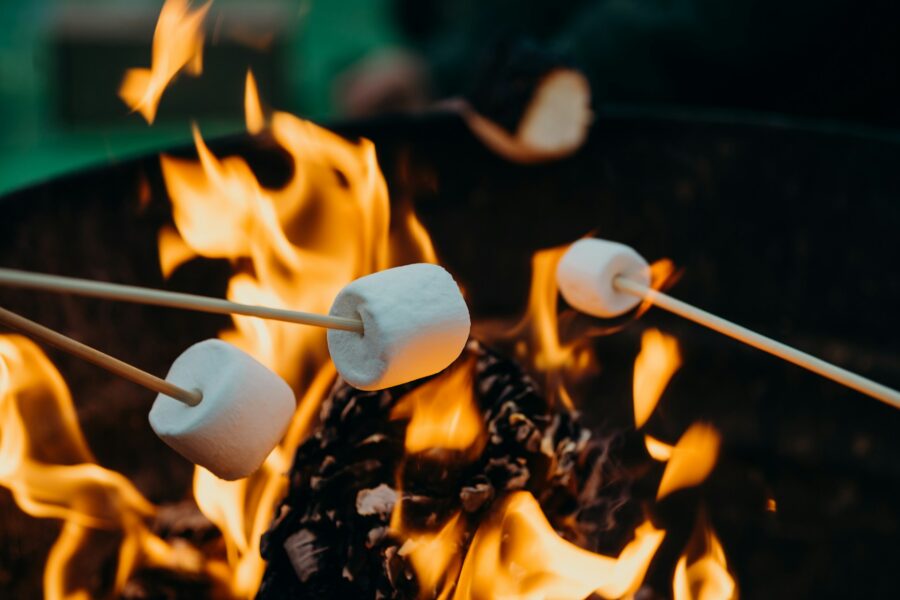
9:00pm: Fire pit or lake walk. In the rustic cabin area, fire pits around the common spaces are reason enough to pack marshmallows. Otherwise, take a slow walk by the water and point out constellations you only half know.
Sunday Morning: One Last Lake Moment
7:30am: Sunrise on the water. Get up early once more. A last paddle, a walk on the trails or a few casts from shore (with an Arkansas fishing license if you’re 16 or older) makes a good goodbye.
9:00am: Long breakfast. Cook something indulgent. Nobody’s in a hurry.
10:30am: Final swim or a pontoon spin. One more dip in the lake or the pool, or call 870.750.0700 ahead of time to ask about a pontoon rental through the RV Resort for a late-morning cruise.
Noon: Pack up slowly. Load the car, take one last look at the lake, and promise yourself next time won’t be so long coming.
Picking the Right Unit for Two Nights
Where you sleep shapes the weekend, so choose on purpose.
For couples, the 1 BR 1 BA Log Cabin with Porch has a queen bed, a kitchen, a porch and fire pits nearby in the rustic cabin area. Ask about the Duplex One Bedroom King Lakeview Cabin too.
For two couples or a small family, look at the Deluxe Two-Bedroom King Lakefront Condo. It sleeps eight, has a jetted soaking tub and a lake-view deck, and sits a few steps from the outdoor pool and beach.
For beach lovers, the beachfront collection keeps the sand as close as it gets.
Adjusting the Plan by Season
In summer, lean into the water and shift the active hours to morning and late afternoon. In fall, trade the Aqua Park for a longer trail walk and an extra evening at the fire pit. In winter, the indoor pool, hot tub and sauna carry the weekend, and the resort’s home page encourages guests to “come see the Bald Eagles!”, which turns a cold Sunday by the lake into the highlight. Spring mixes a bit of everything while the hills go green around you.
For a fuller picture of what’s on site in any season, visit the resort’s explore page.
Two nights here can feel like a week, and we’d love to host yours. Call the front desk at 800-872-3301 to book your weekend at Crown Lake Resort. The lake, the beach and the hot tub will be waiting.
Frequently Asked Questions
Is two nights enough for a weekend at Crown Lake?
Two nights gives you time to relax properly, enjoy the beach and the spa, and still get home before the work week. With a third night, add a scenic day trip into the Ozarks.
Can I bring my dog on a weekend getaway?
Dogs are welcome at the RV Resort, which has its own dog park. If you’d rather book a cabin or condo, ask the front desk about the current lodging pet policy when you call.
What should I pack for a lake weekend in Arkansas?
Swimwear, beach towels, flip flops, sunscreen and a light layer for cool evenings cover most of it. Add marshmallows if you’re staying near the fire pits and a good book for the beach.
Is there a store at the resort if I forget something?
Yes. The KOA General Store on the property stocks convenience items, so a forgotten toothbrush or snack run won’t cut into your weekend.
Is Crown Lake a good weekend trip in winter?
Yes. Winter is a quieter time at the lake, with the heated indoor pool, hot tub and sauna for cold days, and front desk hours from 7:30am to 8:00pm through the winter months.
North Central Arkansas: The Quiet Side of the Ozarks
Somewhere past the last big shopping center, the road narrows, the hills begin to roll, and the trees close in on both sides. Your shoulders drop an inch. That’s usually when people notice they’ve reached north central Arkansas, a stretch of the Ozarks with clear rivers and small towns where billboards used to be. It doesn’t advertise itself much, and the people who find it tend to come back. What follows is a portrait of the region for anyone weighing a north central Arkansas vacation.
Water Runs Through Everything
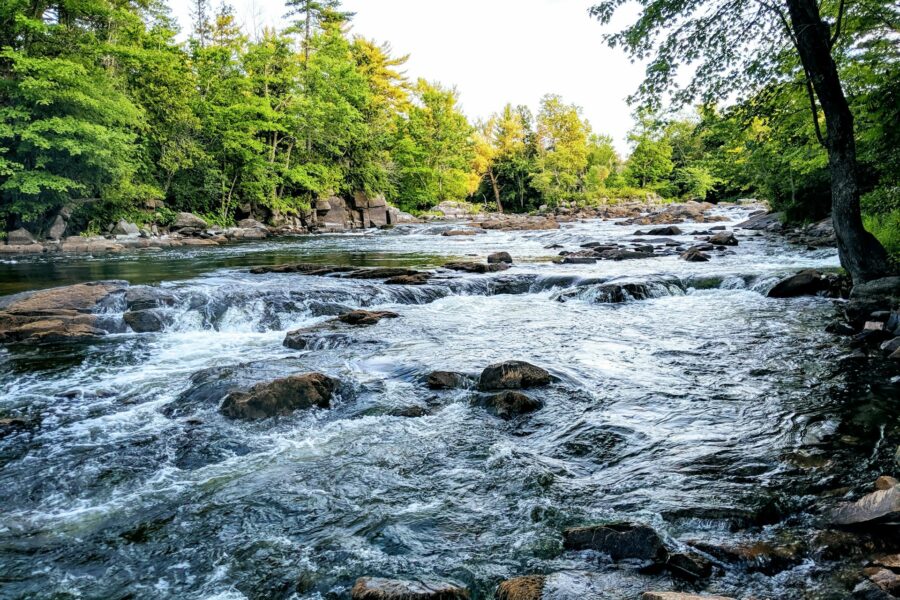
Nearly every good day here involves water. Rivers cut through the hills, springs rise out of the limestone, and lakes sit in the valleys.
Start with the springs. At Mammoth Spring State Park, up near the Missouri line, Arkansas State Parks reports nine million gallons an hour flowing from one of the world’s largest springs. That water becomes the Spring River, which the park calls a famous Ozark trout and float stream. Put a hand in it on a July afternoon and you’ll understand the fuss.
West of here, the big rivers carve their own country. Trout anglers far beyond Arkansas know the name of the White River, and the Buffalo National River, protected by the National Park Service, is the paddler’s and hiker’s favorite in this part of the state. Nearer to Horseshoe Bend, the Strawberry River winds past town, and Arkansas Tourism points to fishing and canoeing as the classic way to spend a day on it.
Then the lakes. Horseshoe Bend alone has four scenic lakes, led by 640-acre Crown Lake, according to Arkansas Tourism. Crown Lake is friendly water, where a child stands up on a paddleboard for the first time (life jacket on, a grown-up close by) and anglers count a weekend in early mornings.
Small Towns With Their Own Personalities
There’s no big city anchoring this region. Instead, a string of small towns each give you a reason to stop.
Horseshoe Bend is a lake town in the hills above the Strawberry River, where most of life happens on the water or in the woods.
Mountain View is the region’s musical home. Ozark Folk Center State Park is there, dedicated to keeping the music, crafts and culture of the Ozarks alive, with working artisans in its Craft Village and live mountain music on its stages from mid-April to mid-November.
Calico Rock sits above the White River, a good stop for history and river views.
Mammoth Spring and Hardy lie to the north along the Spring River, where the cold water draws floaters in summer and anglers all year.
None of these towns is pretending to be anything else. Expect friendly conversation at the gas pump, slow traffic and a pace that nudges you to relax.
We’d love to be your calm base in the middle of it all. Crown Lake Resort sits on the shore of Crown Lake, in the heart of town. Browse our cabins and condos to find your spot, or talk to the front desk at 800-872-3301.
A Different Trip in Every Season
The region doesn’t have an off season so much as a change of mood every few months. Spring brings dogwood and redbud blooms to the woods, full rivers and calm lakes before the summer rush. Summer belongs to the water: long beach days, cold-river floats and evenings light enough for a second swim.
Fall is when the Ozarks put on a show. Hillsides go gold, orange and red, the air turns crisp, and couples and anglers both seem to arrive at once.
Winter is the underrated one. Leaves are down, the lake is still, and the home page at Crown Lake Resort urges visitors to “come see the Bald Eagles!” One eagle crossing a flat, gray lake on a cold morning can make the whole drive worthwhile. Afterward, a heated pool, hot tub and sauna keep the cold outside where it belongs.
Space Is the Draw
Plenty of destinations promise rest and then fill every hour with lines and timed tickets. Here, the appeal is space: room on the water, room on the trail and room in the day to do nothing for a while.
That suits several kinds of traveler. Families with young kids find it low stress. Couples find it romantic without any staging. Retirees and RVers settle in for a week or more. Anyone who needs a break discovers the region does a lot of the work for them.
Making Crown Lake Your Home Base
To see the region without repacking every morning, base yourself on the lake in Horseshoe Bend. At Crown Lake Resort, the lake handles most of the entertaining: a paddle whenever the water looks glassy, a swim off the sand, the Aqua Park bobbing offshore for the brave. On land, rainy afternoons have a game room and an indoor pool, and L’Aura Spa & Wellness is there for slow days. Papa Dick’s Pizza covers the nights off from cooking.
Lodging runs from rustic log cabins with porches to lakefront condos and deluxe cabins that sleep a crowd. A lakeview cabin fits this region well, since the first thing you see each morning is the water. RVers have their own corner: the RV Resort welcomes dogs (there’s a dog park) and gives every pad full hookups.
For a closer look at the trails, the beach and everything in between, visit the resort’s explore page.
Come and see the quiet side of the Ozarks for yourself. Plan your stay at Crown Lake Resort by calling 800-872-3301, or browse our beachfront units if the sand is what you’re after. We’d be happy to show you around.
Frequently Asked Questions
Which county is Horseshoe Bend in?
Horseshoe Bend spans three counties. The City of Horseshoe Bend says the bulk of it lies in Izard County, with the rest reaching into Fulton and Sharp counties.
Is north central Arkansas a good place for a family vacation?
Yes. The region’s calm lakes, state parks and small towns are easy going with kids. At Crown Lake Resort, families have a sandy beach, an Aqua Park for ages 6 and up, a children’s playground and Safari Mini Golf in one place.
How long has Buffalo National River been protected?
The National Park Service established Buffalo National River in 1972. With 135 free-flowing miles and no dams along its length, it is a rare river in the lower 48 states.
What should I pack for a trip to north central Arkansas?
Pack layers, because Ozark mornings and evenings can be cooler than midday. Add comfortable walking shoes, sunscreen, swimwear and a light rain jacket. Lodging guests at Crown Lake Resort are told that beach towels and flip flops cover most of what they’ll need on site.
Can I visit Crown Lake Resort before booking a stay?
Yes. If you’re passing through the area, the resort is happy to show you around the property in person. Contact the main office at 800-872-3301 or info@crownlakeresort.com to arrange a tour.
- ‹ Previous
- 1
- 2
- 3
- 4
- Next ›
